
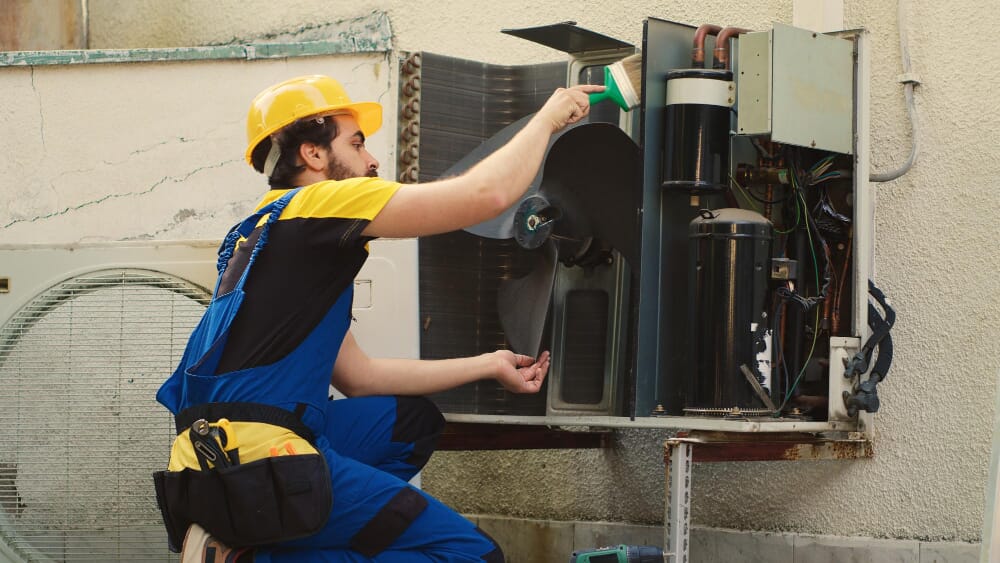
Naples summers don’t mess around. With temperatures regularly climbing into the 90s and humidity that makes the air feel even hotter, your air conditioner isn’t a luxury—it’s a necessity. When that aging system finally gives out, you need a replacement that keeps your home cool, comfortable, and energy-efficient.
But how do you know when it’s time for a new unit? And what should you expect from the installation process? Homeowners often wait too long to replace a failing system, which leads to higher energy bills, uneven cooling, and uncomfortable indoor air. The good news is that professional AC installation in Naples can solve all of these problems—when it’s done right.
This guide walks you through the warning signs, the benefits of upgrading, how to choose the right system, and what a professional installation actually involves. By the end, you’ll know exactly what to look for and how to make a confident decision for your home.
Signs It’s Time for a New AC Installation
Your air conditioner usually tells you when it’s nearing the end of its life. Catching these signs early can save you from a sweaty breakdown in the middle of July.
Your AC Is More Than 10–15 Years Old
Most central air systems last between 10 and 15 years. If yours is approaching or past that range, it’s likely running less efficiently than newer models. Even if it still works, an older unit can cost you more in energy and repairs than a replacement would.
Rising Energy Bills
Have your cooling costs crept up without any change in your habits? An aging or failing AC system has to work harder to cool your home, which drives up your monthly utility bills. A new, efficient unit can bring those costs back down.
Frequent Repairs
One repair every few years is normal. But if you’re calling a technician every few months, those costs add up fast. As a rule of thumb, if a repair costs more than half the price of a new unit, replacement is the smarter investment.
Uneven Cooling Throughout the Home
Are some rooms freezing while others stay warm? Uneven cooling often points to a system that can no longer distribute air properly. A correctly sized new system will cool every room consistently.
Strange Noises or Odors
Grinding, banging, or squealing sounds are red flags. So are musty or burning smells. These symptoms usually mean something is failing inside your unit—and they shouldn’t be ignored.
Poor Indoor Air Quality
If you’ve noticed more dust, increased humidity, or worsening allergies, your AC may no longer be filtering and dehumidifying the air effectively. A modern system improves both comfort and air quality.
Benefits of Installing a New Air Conditioning System
Upgrading your AC does more than just keep you cool. Here’s what a new system brings to your Naples home:
- Improved energy efficiency: Newer units use less power to deliver the same cooling.
- Lower monthly utility bills: Better efficiency means real savings on every bill.
- Better cooling performance: Enjoy faster, more consistent cooling on the hottest days.
- Enhanced indoor comfort: Say goodbye to hot spots and humidity.
- Quieter operation: Modern systems run far more quietly than older models.
- Improved humidity control: Crucial in Naples, where humidity is a year-round challenge.
- Smart thermostat compatibility: Control your home’s temperature from anywhere.
- Increased home value: A new, efficient HVAC system is a strong selling point.
Choosing the Right AC System for Your Naples Home
Not every cooling system fits every home. Here are the most common options and how to decide which one is right for you.
Central Air Conditioning
Central air remains the most popular choice for Naples homes. It cools your entire house through a network of ducts and delivers consistent comfort throughout. If you already have ductwork in place, this is often the most straightforward upgrade.
Heat Pumps
Heat pumps both cool and heat your home, making them a versatile, energy-efficient option for Florida’s mild winters. They move heat rather than generate it, which keeps energy use low year-round.
Ductless Mini-Split Systems
Mini-splits are ideal for homes without ductwork, room additions, or spaces that need independent temperature control. They install quickly and let you cool specific zones rather than the whole house.
Energy-Efficient HVAC Systems
When comparing systems, a few key factors will guide your decision:
- Home size: Larger homes need more cooling capacity to stay comfortable.
- Insulation: Well-insulated homes hold cool air better and may need a smaller unit.
- SEER2 ratings: Higher SEER2 ratings mean greater efficiency and lower operating costs.
- Cooling capacity: Measured in BTUs or tons, this must match your home’s needs.
- Budget considerations: A higher upfront cost often pays off through lower bills over time.
What to Expect During Professional AC Installation
A quality installation follows a clear, proven process. Here’s what a professional service typically includes.
1: In-Home Assessment — A technician evaluates your home, existing equipment, and cooling needs.
2: Proper System Sizing — Using a load calculation, they determine the exact capacity your home requires.
3: Removal of Old Equipment — Your old system is safely disconnected and hauled away.
4: Installing the New System — The new unit, ductwork connections, and electrical components are installed.
5: Testing & Performance Checks — The technician confirms the system runs correctly and efficiently.
6: Customer Walkthrough — You learn how to operate your new system and get answers to any questions.
Why Proper AC Sizing Matters
Bigger isn’t always better when it comes to air conditioning. Proper sizing is one of the most important factors in your comfort and your system’s lifespan.
An oversized system cools your home too quickly and shuts off before it can remove humidity. The result? A cold but clammy house and constant on-off cycling that wears out the equipment. An undersized system runs nonstop trying to keep up, which raises energy bills and shortens its life.
Correct sizing means even comfort, lower energy waste, and a system that lasts as long as it should. That’s why a professional load calculation is so important.
How Long Does AC Installation Take?
Most AC installations take between one and two days. A straightforward replacement—swapping an old unit for a new one with existing ductwork—often wraps up in a single day.
Several factors can affect the timeline:
- New installation vs. replacement: Installing a system in a home without prior AC takes longer.
- Additional ductwork: If ducts need to be added, repaired, or rerouted, expect extra time.
- Home size and complexity: Larger or multi-zone systems require more labor.
Your installer should give you a clear estimate after the in-home assessment.
Tips to Maximize the Life of Your New AC System
A little maintenance goes a long way toward protecting your investment. Follow these tips to keep your system running strong for years.
- Schedule annual maintenance: A yearly tune-up catches small issues before they become big ones.
- Change air filters regularly: Dirty filters strain your system and reduce air quality.
- Keep the outdoor unit clean: Clear away leaves, grass, and debris around the condenser.
- Use programmable thermostats: Smart scheduling reduces unnecessary cooling.
- Seal air leaks: Sealing gaps around windows and doors keeps cool air inside.
- Keep vents unobstructed: Furniture and curtains shouldn’t block airflow.
Why Hire a Professional for AC Installation in Naples?
A new air conditioner is a significant investment, and a DIY approach can cost you far more in the long run. Here’s why professional installation matters:
- Proper licensing and insurance: Licensed technicians protect you and your property.
- Manufacturer warranty protection: Professional installation keeps your warranty valid.
- Correct refrigerant handling: Refrigerant requires special training and certification to handle safely.
- Code compliance: Pros ensure your installation meets all local building codes.
- Safe installation: Electrical and mechanical work is handled correctly the first time.
- Long-term cost savings: A correct installation prevents costly problems down the road.
- Expert recommendations: Professionals help you choose the right system for your home and budget.
Why Homeowners Trust Fine-Air Cooling and Heating Services
When it comes to AC installation in Naples, homeowners want a team they can count on. Fine-Air Cooling and Heating Services, LLC delivers on every front:
- Experienced HVAC technicians who handle every installation with skill and care.
- High-quality installation practices that ensure your system performs at its best.
- Honest recommendations—no upselling, just the right solution for your home.
- Energy-efficient solutions designed to lower your bills and boost comfort.
- Fast scheduling so you’re not left waiting in the heat.
- Customer-focused service from your first call to your final walkthrough.
- Local knowledge of Naples’ climate that informs every recommendation we make.
Ready to enjoy a cooler, more comfortable home? Contact Fine-Air Cooling and Heating Services, LLC today to request your free estimate or schedule an installation consultation. Our team is ready to help you find the perfect cooling solution for your Naples home.
FAQs
Ans: – The cost varies based on the type and size of the system, your home’s layout, and whether new ductwork is needed. The best way to get an accurate price is to request a free in-home estimate, which accounts for your specific needs.
Ans: – With proper maintenance, most new AC systems last between 10 and 15 years. Annual tune-ups, regular filter changes, and keeping the outdoor unit clean can help you reach the upper end of that range.
Ans: – The right size depends on your home’s square footage, insulation, layout, and other factors. A professional load calculation is the only reliable way to determine the correct cooling capacity—oversized and undersized units both cause problems.
Ans: – If your system is over 10 years old, needs frequent repairs, or a single repair costs more than half the price of a new unit, replacement is usually the smarter long-term choice. A technician can help you weigh the options.
Ans: – Most installations take one to two days. A standard replacement with existing ductwork often finishes in a single day, while new installations or projects requiring additional ductwork may take longer.